
If you’re thinking about starting therapy for anxiety, you likely have a lot of questions, one of which may be, what happens actually during a session. If you’ve never been to therapy before, it’s very common that you’re feeling a little anxious and unsure.
You might be worried about what you’ll actually need to say to your therapist, if they are going to judge you, or if you will be doing it correctly.
The truth is, therapy is a very safe and nurturing experience and is a collaborative effort between you, the client, and your therapist. There is no right way to show up in therapy. A therapy session is simply a safe space for you to talk about yourself, at your pace, with the assistance of a trained professional.
Starting Your First Session

Your initial therapy session to deal with anxiety typically centers on simply getting to know you.
Rather than digging right into serious work, your therapist will ask you questions in a respectful way to get an understanding of your present situation and then ask about how you got to this point (why you are in therapy).
You will not be coerced into discussing anything with which you do not feel comfortable.
A good therapist will allow you to take the lead and create a safe environment for you to open up to them slowly. In addition, this session gives you the opportunity to determine if the therapist is someone with whom you can be comfortable and feel understood, which is one of the most important aspects of therapy.

Understanding Your Anxiety
Early in therapy, much of the work you do will be to try to understand your anxiety, and the understanding may provide some level of relief, as you may find that your experiences are more relatable than you initially believed.
Your therapist may facilitate your exploration of:
– Your anxious thoughts
– The physical sensations associated with your anxiety
– Your behaviours, such as avoiding, overthinking or behaviourally
Therapy will help you change the perception and understand your anxiety as a pattern instead of something that occurs randomly or out of control.

Learning How Anxiety Works
Therapy is focused on comprehension of anxiety functioning in both mind and body (this is sometimes called psychoeducation). In practice, this includes assisting you in understanding what is happening to you internally.
Some examples of the material you might understand include:
• How/why your body reacts with a fight or flight response.
• How excessive thinking can perpetuate anxiety.
• Why particular experiences create higher levels of intensity than infrequent ones.
When you understand why things happen, it can lead to feelings of relief due to lessened overwhelmingness from those experiences.

Developing Practical Ways to Cope
As therapy continues, the appointment will likely start focusing on discovering how to deal with your anxiety on a day-to-day basis.
For example:
– Learning to respond differently to anxiety
– Learning to relax your nervous system
– Beginning to face situations you would have avoided
– Building confidence in being able to handle uncertainty
These are not solutions that can happen overnight; but rather small, practical, gradual steps that will accumulate over time into something larger. Your therapist will work with you to determine methods that are manageable and appropriate for your circumstance.

Exploring Underlying Causes
You might feel that the anxiety is about deeper issues, past events, enduring beliefs or childhood learned behavior patterns. In therapy you can work with these at the pace and in a way which feels manageable for you.This can lead to changes in the longer term, not just dealing with surface symptoms.
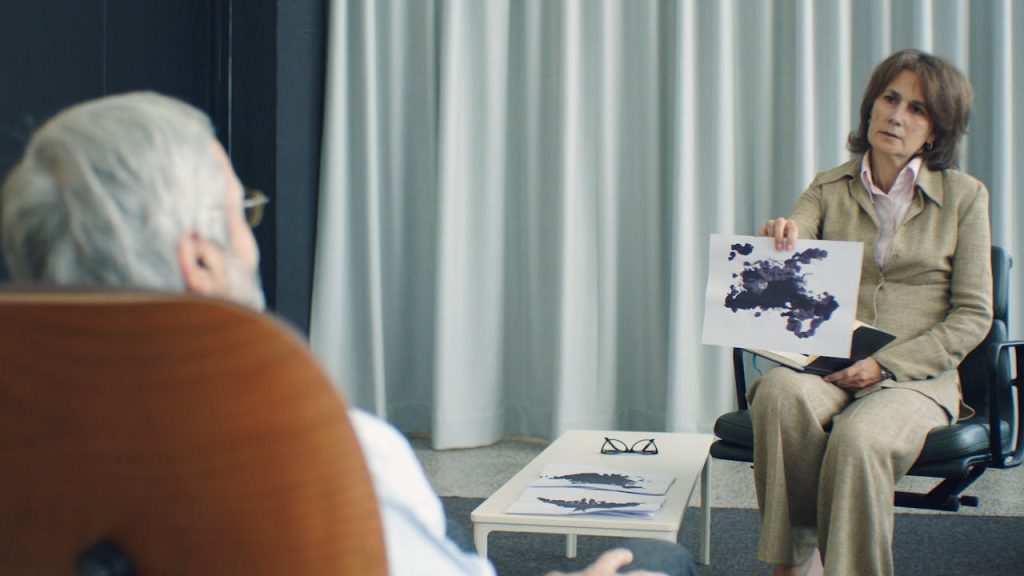
Different Approaches in Therapy
There isn’t a standard treatment for anxiety and therapists can adapt their techniques in various ways, depending on how each person experiences anxiety. Each session may sometimes focus more on:
Exploring the current issue/problems
Identifying specific thought processes
Experimenting with alternative response patterns
Sometimes the techniques, for example EMDR, may help you to process previously occurred situations that continue to bring on anxiety now. It will always be clearly explained to you what the therapist is doing and why.
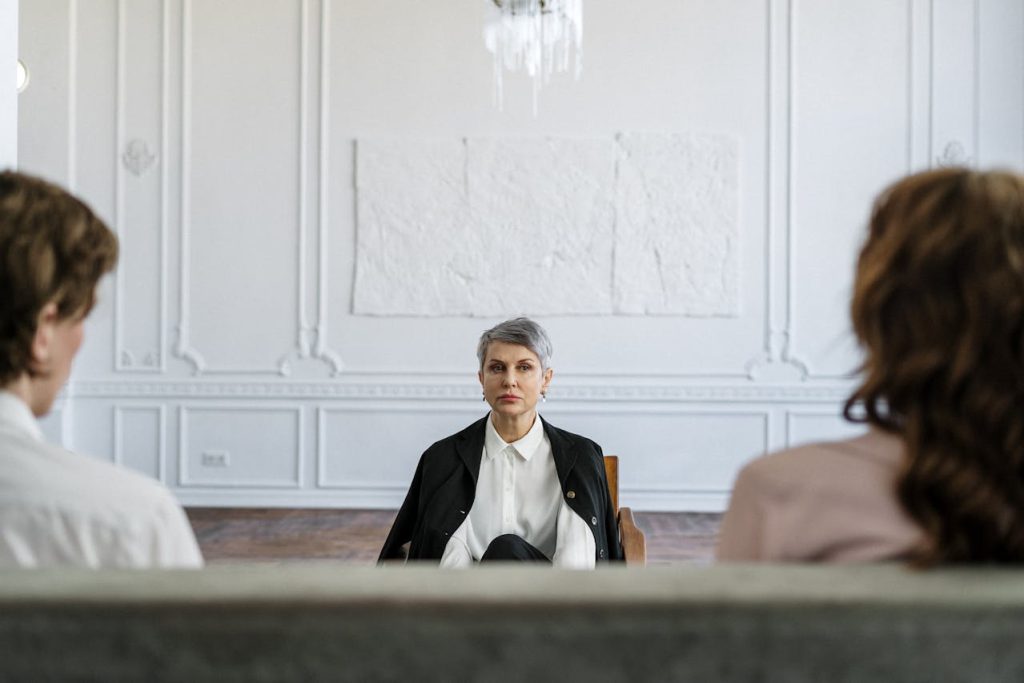
What a Typical Session Feels Like
An average therapy session is generally 50 minutes. Sessions tend to start with a quick check in to hear how you are doing since last time:
The session then can proceed to work on a few key areas, it might be working on an issue you raised last week; it might work through a particular thought in more depth; it might add to some of the work done before.
There is not really a script as such, some sessions might feel like more of a reflection, others more practical – both work equally well.

Do You Have to Talk the Whole Time?
No. This is what most people feel nervous about, therapy isn’t about having to say the ‘right’ thing or filling every pause, it is quite alright to take a moment to think or not know exactly what it is you would like to say. Your therapist will facilitate the flow of the session, helping you make sense of it all, even when it does not always seem clear.

How Therapy Helps Over Time
The aim of therapy is not to get rid of your anxiety, but to change your relationship with it.
- Over time, most people observe that they:
Feel less and less anxious - bounce back more readily after experiences that used to cause them anxiety
- start to feel more and more able to handle a situation that previously they felt overwhelmed by.
Change may be slow but it will be rewarding and significant.
Final Thoughts
Starting therapy for anxiety can be a major undertaking, and it’s natural to be unsure about what is expected. Therapy fundamentally revolves around creating a safe space where you can be heard, understood and accepted without judgement.
Meet you where you are, and together with your therapist, the work is undertaken to support you to feel in control of yourself, more grounded, and more peaceful in your everyday life. If you’re wondering about seeking therapy for anxiety this is often the beginning of understanding yourself from a different perspective.